Complete Design Guide
How to Design a Modern Kitchen: The Complete 2026 Planning Guide
Master the principles of modern kitchen design — from layout planning and materials to colors, storage, and budgeting. Everything you need to create a functional, beautiful kitchen.
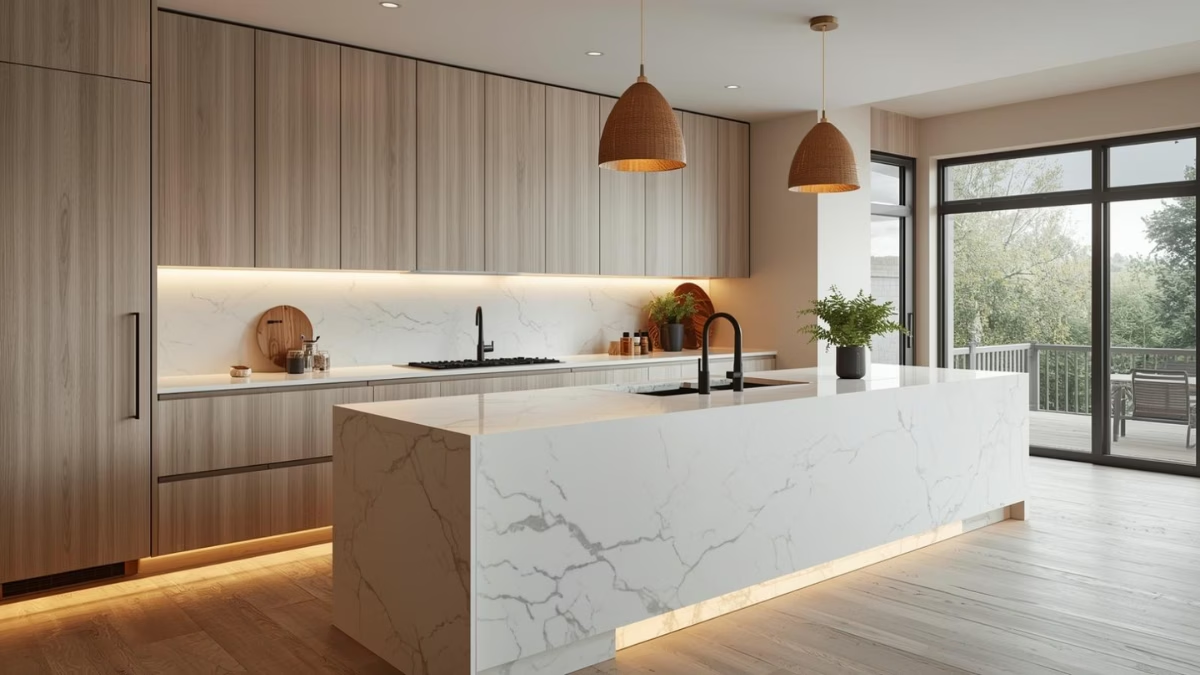
Designing a modern kitchen requires understanding both aesthetic principles and functional requirements. Unlike simply browsing for inspiration, planning a kitchen renovation demands a systematic approach — from defining your style to selecting materials, optimizing layouts, and managing your budget.
This comprehensive guide walks you through every decision you’ll face when designing a modern kitchen. Whether you’re starting from scratch with a new build or renovating an existing space, you’ll learn the principles that separate amateur designs from professionally planned kitchens.
🛠️ Planning Tools to Help You:
- Take our Interior Design Style Quiz — Discover which kitchen style matches your personality
- Calculate Your Renovation Budget — Get a realistic cost estimate before you start
- Plan Your Renovation Timeline — Organize your project from start to finish
💡 Why Trust This Guide?
This article is regularly updated by our interior design experts and reflects the latest industry trends, material innovations, and homeowner preferences for 2026.
What Makes a Kitchen Look Modern?
Before diving into specific design choices, it’s essential to understand what separates a modern kitchen from traditional or transitional designs. Modern kitchen design is characterized by several core principles that work together to create a cohesive, streamlined aesthetic.
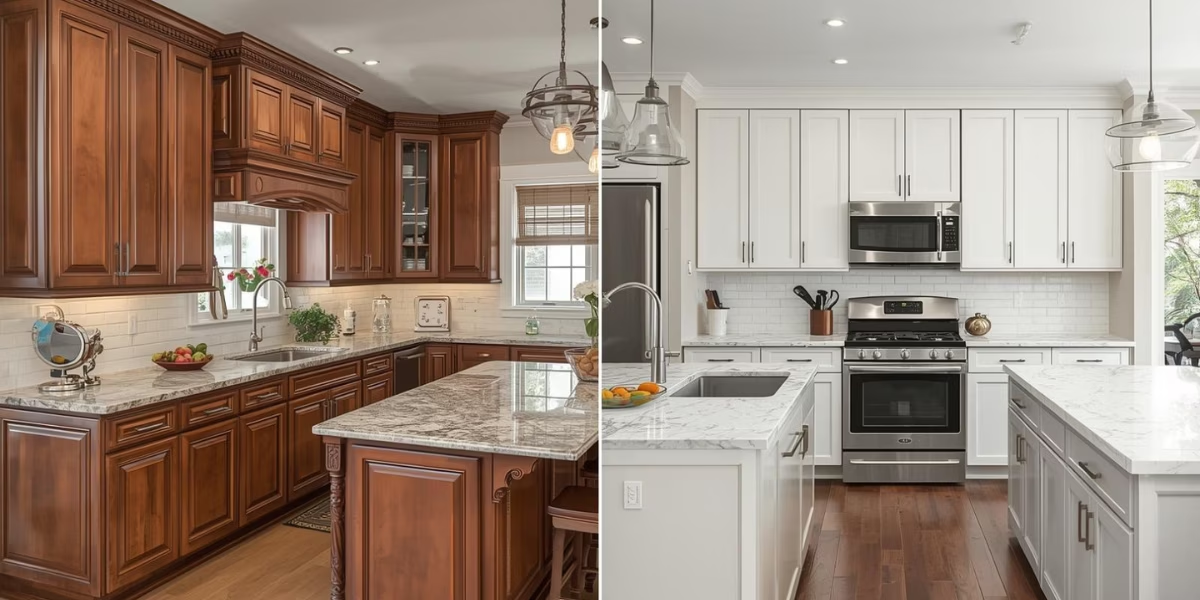
The 5 Pillars of Modern Kitchen Design
1. Clean Lines & Minimalism
Modern kitchens eschew ornate details, curved moldings, and decorative flourishes. Instead, they embrace flat-panel cabinets, sharp angles, and horizontal lines that create visual calm. Every element serves a purpose — if it doesn’t add function, it doesn’t belong.
2. Handleless or Minimal Hardware
One of the most defining features of modern design is the reduction of visible hardware. Push-to-open mechanisms, integrated J-pull channels, or slim finger-pull handles maintain the sleek, uninterrupted surfaces that define the style.
3. Premium, Durable Materials
Quality over quantity. Modern kitchens favor high-end surfaces like quartz countertops, natural stone, engineered wood, and matte lacquer finishes. These materials are selected for both their aesthetic appeal and long-term durability.
4. Integrated Appliances & Technology
In a modern kitchen, appliances blend seamlessly into the cabinetry. Panel-ready refrigerators, hidden dishwashers, and built-in coffee stations eliminate visual clutter while smart technology adds convenience without architectural compromise.
5. Open, Functional Layouts
Modern kitchens prioritize flow and functionality. Open-concept designs that connect to living spaces, strategic “work zones,” and multi-purpose islands create efficient workflows while maintaining the social heart of the home.
Modern vs. Contemporary vs. Transitional: Understanding the Difference
These terms are often used interchangeably, but they represent distinct design philosophies. Understanding the difference helps you communicate clearly with designers and contractors:
| Style | Era/Origin | Key Characteristics | Best For |
|---|---|---|---|
| Modern | Mid-20th century movement | Clean lines, minimal ornamentation, natural materials, function-first | Those who love timeless simplicity |
| Contemporary | Current trends (always evolving) | Trend-driven, experimental, can include curves and bold statements | Those who want the latest looks |
| Transitional | Blend of traditional + modern | Shaker cabinets, neutral colors, comfortable middle ground | Those wanting classic with modern updates |
Modern Kitchen Design Trends for 2026
Kitchen design is shifting dramatically. The cold, clinical look of the 2010s is giving way to what designers call “warm minimalism” — spaces that feel inviting, tactile, and deeply personal while maintaining modern simplicity.
🌿 1. The “Warm Modern” Aesthetic
The sterile, all-white kitchen is officially out. 2026 is all about creating warmth through earthy tones and organic textures while maintaining clean lines.
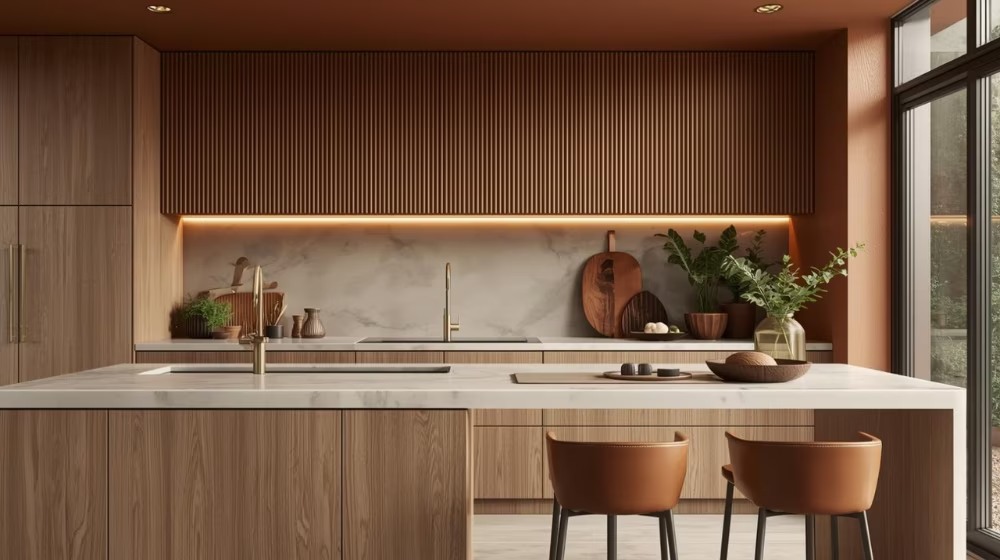
What This Looks Like:
- Earth Tones: Terracotta, mushroom, olive green, and deep burgundy replacing standard grays and navies
- Natural Wood Grain: Walnut and stained cherry for islands and full cabinetry
- Matte Everything: Honed stone, brushed metals, and matte lacquers instead of high-gloss
- Textural Contrast: Mixing smooth quartz with ribbed wood or fluted glass
🏝️ 2. The “Social Island” Revolution
The kitchen island has evolved from a prep station into a furniture-style centerpiece designed for connection and entertainment.
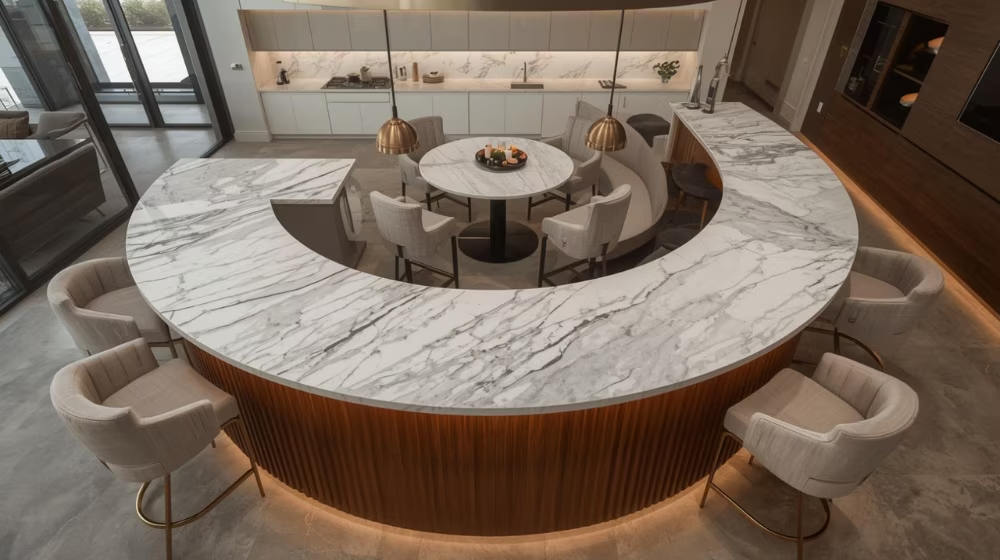
Key Features:
- Integrated Seating: Wrap-around seating or attached lower-level dining tables
- Double Islands: Separate prep island and social island in larger kitchens
- Furniture Details: Turned legs, open shelving, and decorative molding
- Curved Edges: Softening sharp modern lines with rounded corners
✨ 3. “Quiet Luxury” Materials
Sustainability and understated elegance are driving material choices that look expensive but feel grounded and authentic.
Trending Materials:
- Dramatic Stone Veining: Calacatta Viola or Arabescato for countertops and full-height backsplashes
- Fluted & Ribbed Textures: Vertical tambour on islands and cabinet doors
- Living Finishes: Unlacquered brass and antique bronze that patina over time
- Mixed Metals: Combining warm brass with cool stainless for a chef-inspired look
🙈 4. The “Hidden Kitchen” (Invisible Design)
Clutter is the enemy of modern design. The 2026 kitchen doesn’t look like a kitchen at all — it looks like a beautiful room that happens to cook.
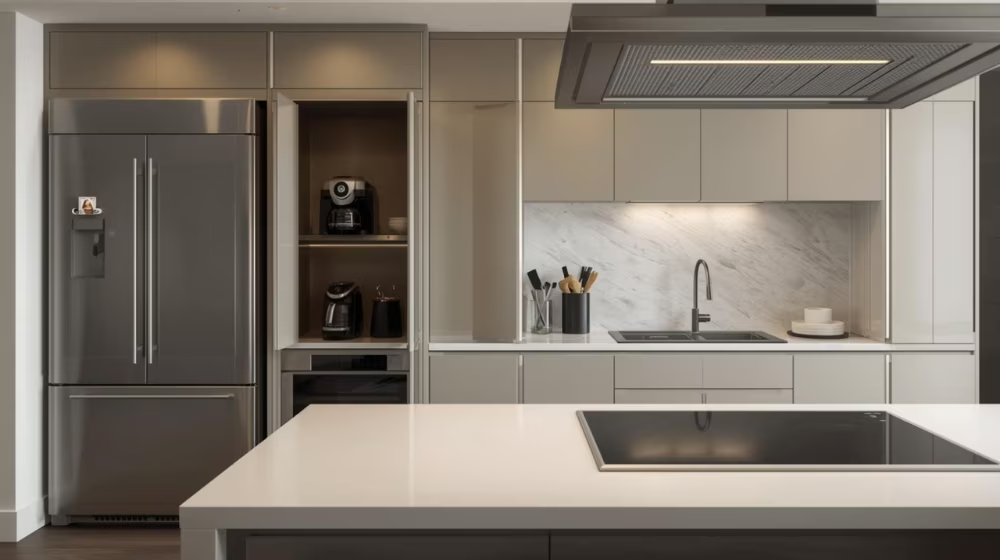
How to Achieve It:
- Appliance Garages: Deep cabinets with pocket doors hiding coffee stations and small appliances
- Invisible Induction: Heating elements built directly under porcelain countertops
- Panel-Ready Everything: Refrigerators and dishwashers that blend with cabinetry
- Concealed Range Hoods: Integrated ventilation hidden behind cabinetry panels
🗂️ 5. Specialized “Work Zones” & Sculleries
The traditional “work triangle” is being replaced by dedicated zones for different kitchen activities.
Popular Zone Concepts:
- The Scullery/Dirty Kitchen: A secondary space behind the main kitchen for messy prep and cleaning
- Beverage Centers: Dedicated zones for wine fridges, espresso machines, and sparkling water taps
- Workstation Sinks: Large sinks with built-in cutting boards, colanders, and drying racks
- Charging Stations: Hidden docks for phones and tablets with easy access
🌱 6. Wellness & Sustainability Focus
Eco-conscious choices and health-focused design are becoming standard expectations, not premium add-ons.
Sustainable Features:
- Integrated Greenery: Built-in herb planters in islands or shelving systems
- Biodynamic Lighting: Smart systems that adjust color temperature throughout the day
- Eco-Conscious Materials: Recycled glass surfaces, FSC-certified woods, PVC-free cabinetry
- Water Conservation: Touchless faucets and circulation systems
🎨 2026 Color Palette Summary
The New Neutrals
Greige, Sand, Butter Yellow, Soft Mushroom
Bold Accents
Deep Plum, Forest Green, Burnt Orange, Burgundy
Hardware Metals
Warm Chrome, Polished Nickel, Matte Black, Antique Brass
🎯 Not Sure Which Style is Right for You?
Take our quick quiz to discover your personal design aesthetic and get style recommendations tailored to you.
Take the Style Quiz →6 Modern Kitchen Styles Explained
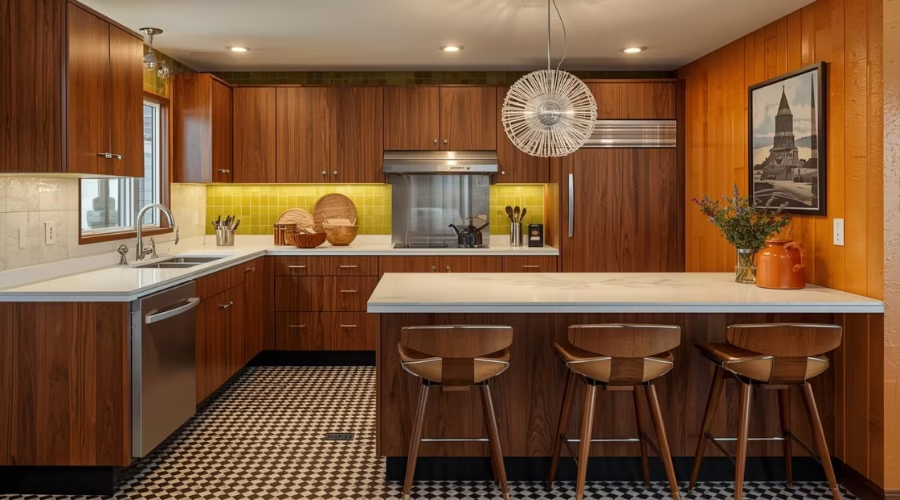
“Modern” is an umbrella term that encompasses several distinct design philosophies. Understanding these sub-styles helps you pinpoint exactly what resonates with your aesthetic and lifestyle.
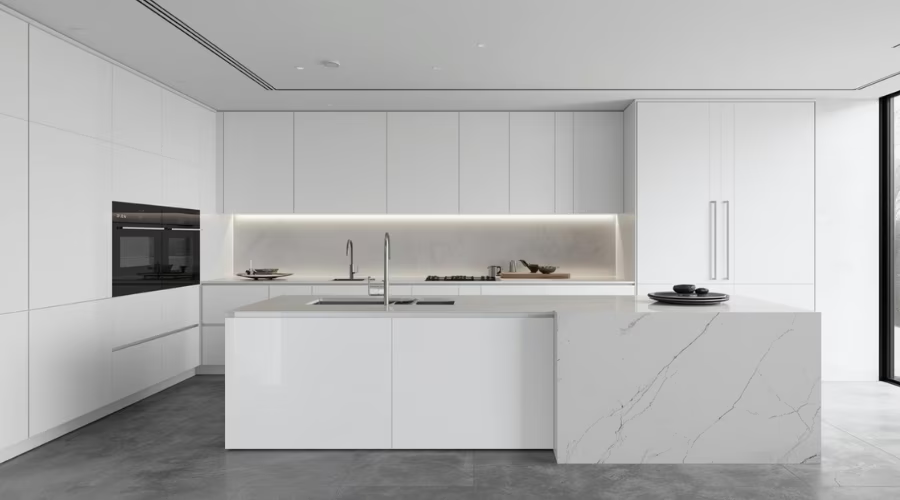
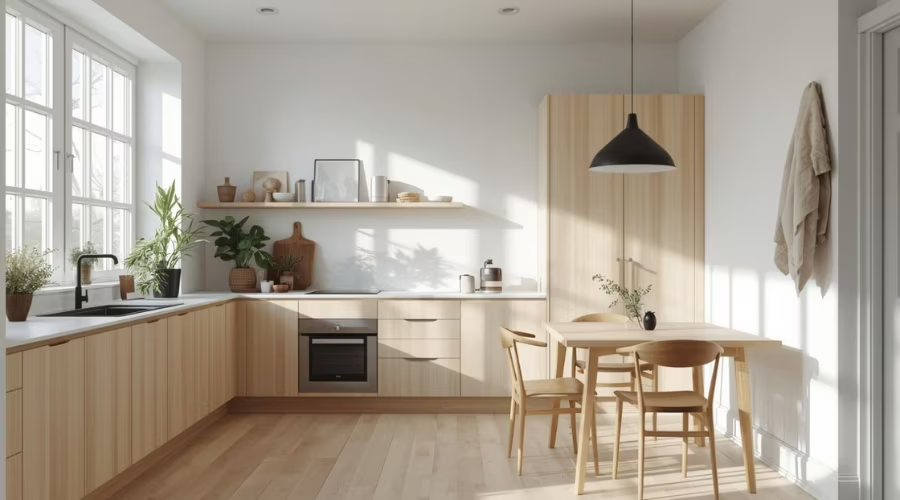
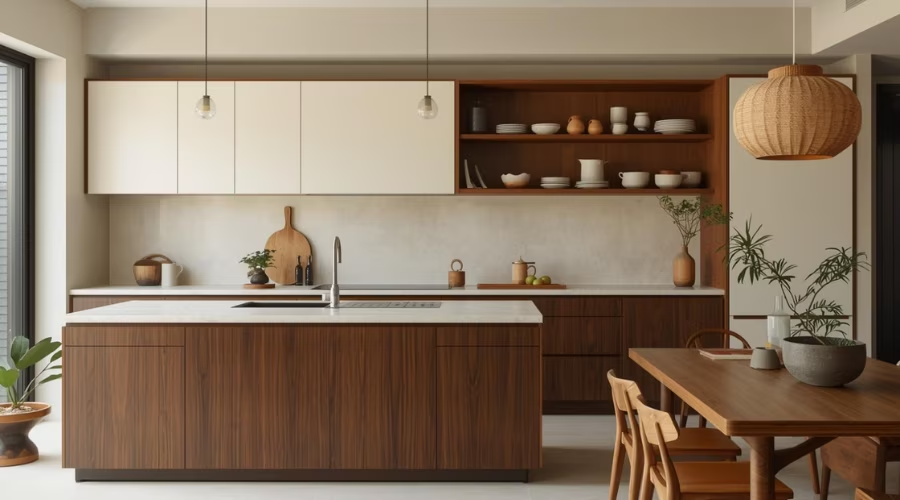
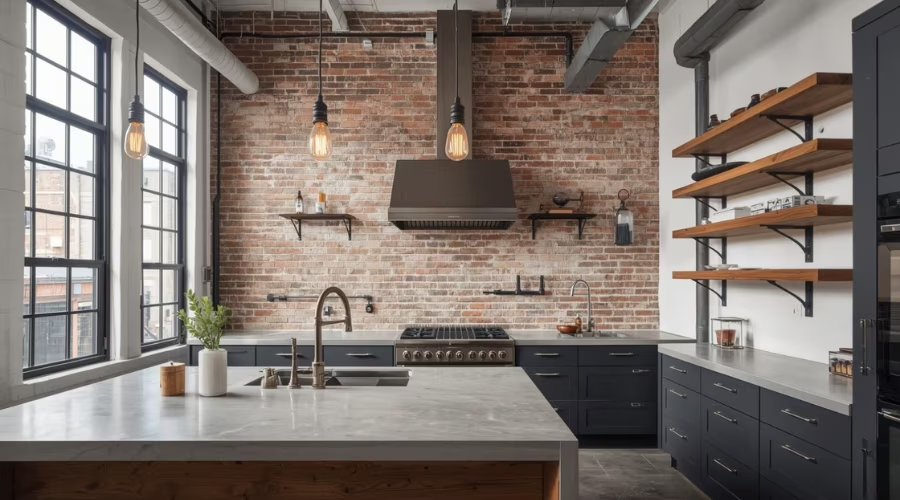
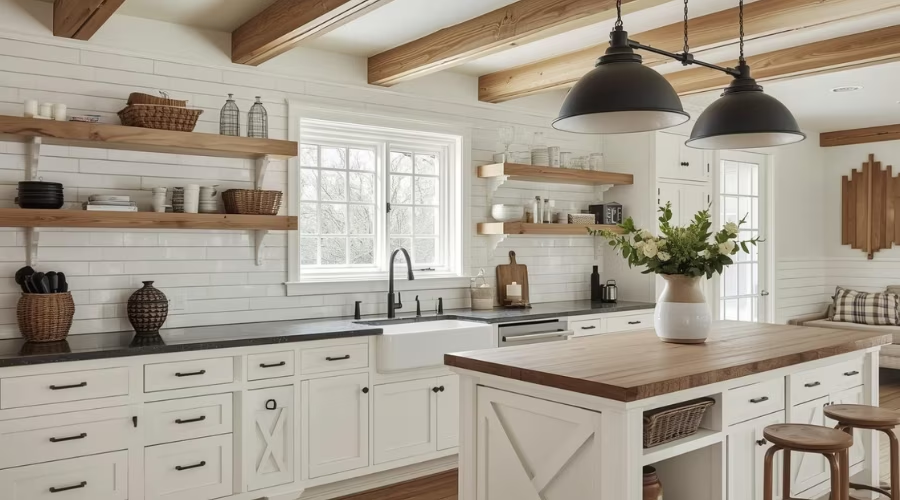
| Style | Vibe | Primary Material | Hardware |
|---|---|---|---|
| Minimalist | Sleek & Sterile | Quartz/Lacquer | Handleless |
| Scandinavian | Bright & Airy | Light Wood | Minimalist/Slim |
| Japandi | Zen & Organic | Dark Wood/Bamboo | Hidden/Discreet |
| Industrial | Raw & Edgy | Concrete/Steel | Heavy Metal |
| Modern Farmhouse | Warm & Rustic | Reclaimed Wood | Matte Black/Cup Pulls |
| Mid-Century | Retro & Bold | Teak/Walnut | Chrome/Brass |
Kitchen Layout Planning & Floor Plans
The layout is the foundation of every successful kitchen design. A well-planned layout improves efficiency, enhances traffic flow, and determines what features your space can accommodate.
📐 Understanding the Kitchen Work Triangle
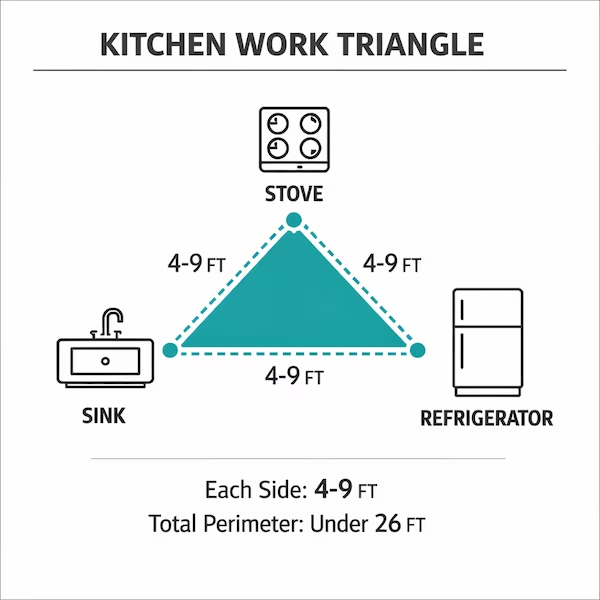
The “work triangle” connects your three main work areas: the sink, stove/cooktop, and refrigerator. While modern kitchens have evolved beyond this simple concept, understanding it remains valuable.
- Each leg of the triangle should be between 1.2m – 2.7m (4-9 feet)
- The total of all three sides shouldn’t exceed 7.9m (26 feet)
- No major traffic paths should intersect the triangle
L-Shaped Kitchen
Two perpendicular walls of cabinetry forming an “L.” The most versatile layout for small to medium kitchens.
✓ PROS
Efficient work triangle, leaves room for dining table, works in open-plan spaces
✗ CONS
Corner cabinets can be awkward, limited counter space without an island
◎ BEST FOR
Open-plan living, small to medium kitchens, corner spaces
U-Shaped Kitchen
Cabinetry on three walls creating a horseshoe shape. Maximum storage and counter space.
✓ PROS
Maximum storage, excellent work triangle, great for serious cooks
✗ CONS
Can feel enclosed, two corner cabinets to deal with, needs width for traffic
◎ BEST FOR
Dedicated kitchen rooms, multiple cooks, maximum functionality
Galley Kitchen
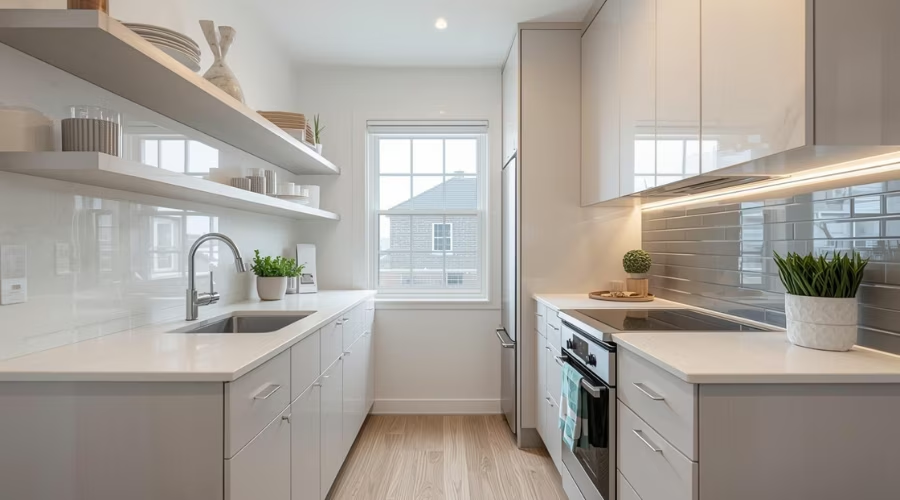
Two parallel walls of cabinetry with a walkway between. The most space-efficient layout.
✓ PROS
Extremely efficient, no corner cabinets, professional feel
✗ CONS
Can feel cramped, limited natural light, one-cook kitchen
◎ BEST FOR
Apartments, narrow spaces, small homes, one-person cooking
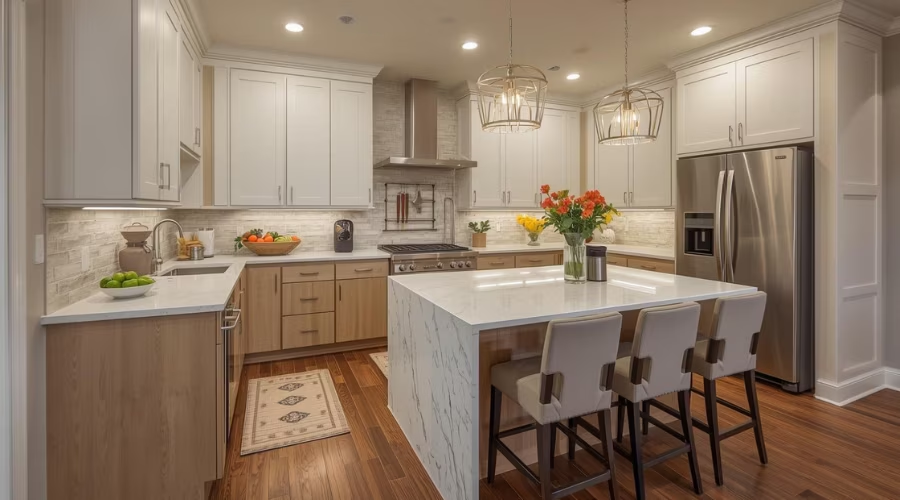
L-Shape + Island
The most popular modern layout. Combines perimeter cabinets with a freestanding island for additional prep space and seating.
✓ PROS
Social hub, additional storage, multiple work zones, seating option
✗ CONS
Requires significant floor space, can disrupt traffic flow if sized wrong
◎ BEST FOR
Open-plan homes, entertainers, families, medium to large kitchens
Open-Concept Kitchen
Kitchen flows directly into living/dining areas with no walls separating. The dominant choice for modern homes since the 2000s.
✓ PROS
Social cooking, natural light, spacious feeling, great for entertaining
✗ CONS
Cooking smells travel, mess is visible, requires consistent tidiness
◎ BEST FOR
Modern homes, social families, entertainers, smaller square footage
📏 Kitchen Island Sizing Guide
Before adding an island, ensure you have the required clearance:
Minimum Walkway
100-120cm
(42-48 inches)
Minimum Island Width
60cm
(24 inches)
Seating Per Person
60cm
(24 inches) per seat
Modern Kitchen Cabinet Design
Cabinets define the character of your kitchen and represent the largest visual element. Modern cabinet design prioritizes clean lines, quality materials, and innovative storage solutions.
Modern Cabinet Door Styles
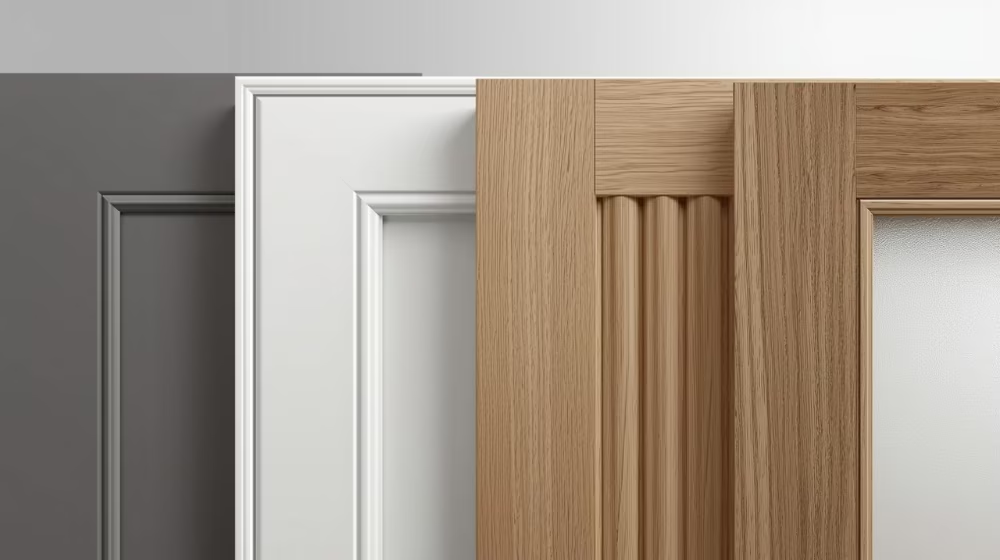
Flat-Panel (Slab) Doors
Completely flat with no raised or recessed panels. The hallmark of modern design, creating a seamless, uninterrupted look. Works in both high-gloss and matte finishes.
Modern Shaker
A subtle frame with a flat center panel. The transitional choice that bridges modern and traditional, perfect for modern farmhouse or Scandinavian styles.
Fluted / Ribbed
Vertical ridges (tambour-style) that add texture and visual interest without ornate details. Trending heavily for 2026 on islands and feature cabinets.
Glass-Front
Clear, frosted, or fluted glass inserts that break up solid cabinetry runs. Use sparingly in modern kitchens to display curated items or create visual lightness.
Handle & Hardware Options
Push-to-Open
Completely handleless. Press to open mechanism. The cleanest modern look.
J-Pull / Integrated
A subtle channel along the cabinet edge. Nearly invisible but functional.
Slim Bar Pulls
Long, thin metal bars. Modern but adds a design element. Matte black or brushed nickel.
Round Knobs
Minimalist round knobs in matte black or brass. Best for transitional modern styles.
Modern Cabinet Finishes
| Finish Type | Look | Maintenance | Best For |
|---|---|---|---|
| High-Gloss Lacquer | Ultra-reflective, mirrors light | Shows fingerprints easily | Small dark kitchens |
| Matte Lacquer | Smooth, velvety, sophisticated | Hides fingerprints well | Family kitchens, 2026 trend |
| Wood Veneer | Natural grain, warm feel | Moderate care needed | Scandi, Japandi, warm modern |
| Thermofoil | Smooth, budget-friendly | Easy clean, can peel over time | Budget renovations |
| Painted MDF | Custom colors, smooth finish | Can chip, touch-ups needed | Custom color matching |
🎨 Two-Tone Cabinet Design Ideas
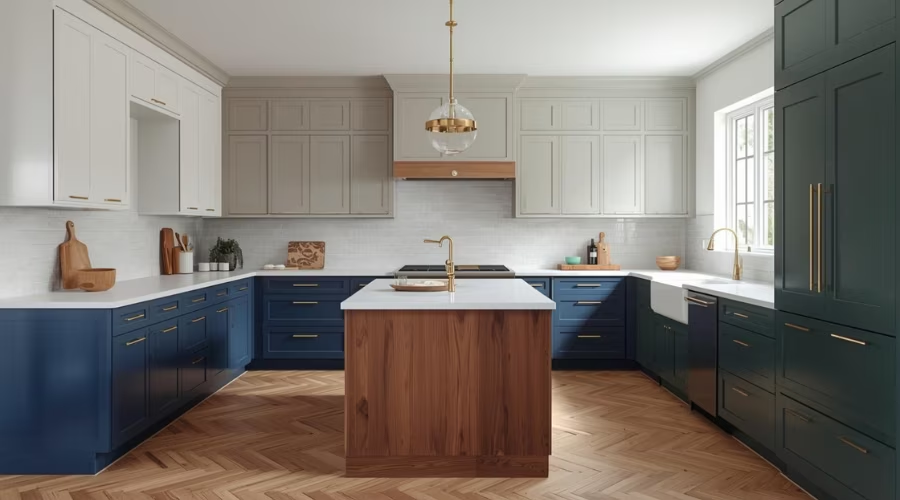
Two-tone cabinets add depth and visual interest. The most successful combinations:
- White uppers + Navy/Forest Green lowers: Creates grounded feel while keeping the space bright
- Light gray perimeter + Walnut island: Contrasts cool and warm tones elegantly
- All one color + Accent fluted island: Lets the island become a furniture focal point
- White/cream base + Black statement hood or open shelving: Adds drama without overwhelming
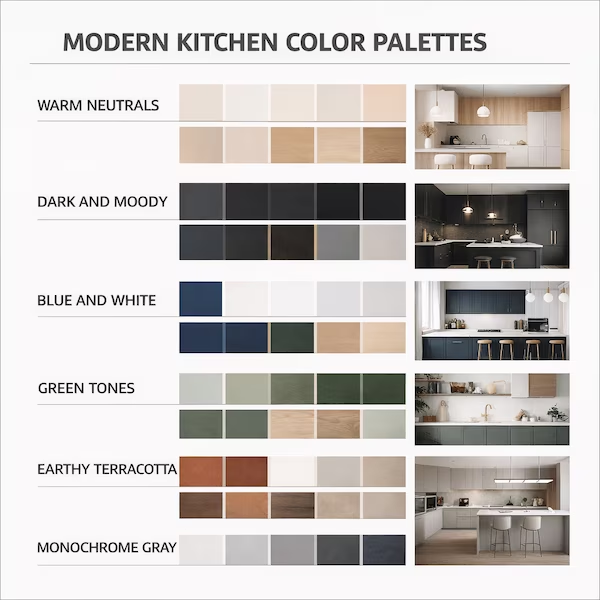
Modern Kitchen Color Palettes & Schemes
Color sets the mood for your entire kitchen. Modern palettes have shifted from cold and sterile to warm and inviting, with a focus on nature-inspired tones that age gracefully.
Countertop & Backsplash Materials
Your countertop is the workhorse of the kitchen, and the backsplash is often the statement piece. Choosing the right materials impacts durability, maintenance, and overall aesthetic.
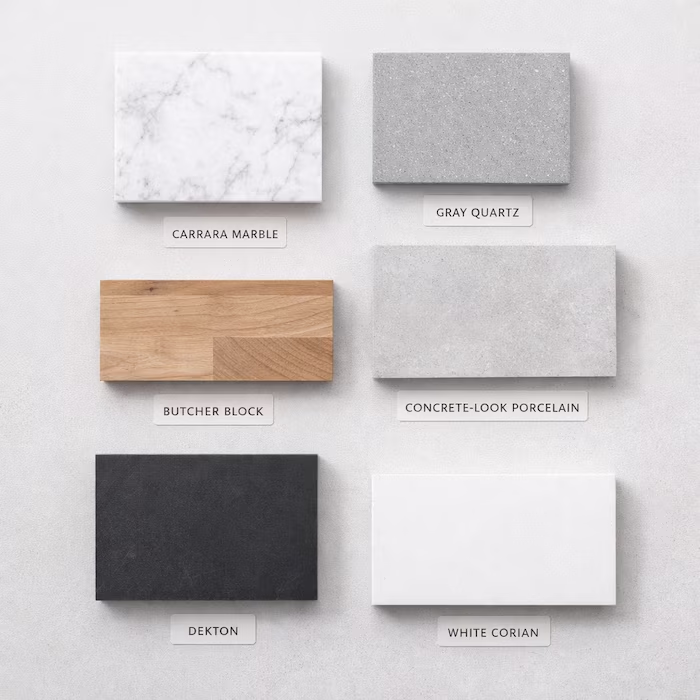
Countertop Material Comparison
| Material | Price Range | Durability | Maintenance | Best For |
|---|---|---|---|---|
| Quartz | $$-$$$ | ★★★★★ | Very Low | Family kitchens, low-maintenance luxury |
| Natural Marble | $$$-$$$$ | ★★★ | High (sealing) | Statement pieces, baking stations, luxury kitchens |
| Granite | $$-$$$ | ★★★★ | Low-Medium | Classic durability, natural stone lovers |
| Dekton/Sintered | $$$-$$$$ | ★★★★★ | Very Low | Outdoor kitchens, heat-resistant surfaces |
| Butcher Block | $-$$ | ★★★ | High (oiling) | Prep areas, farmhouse, warm modern |
| Concrete | $$-$$$ | ★★★★ | Medium (sealing) | Industrial, custom shapes, unique aesthetics |
| Porcelain Slabs | $$-$$$ | ★★★★★ | Very Low | Marble-look without maintenance, large format |
Modern Backsplash Trends
Full-Height Slab
Extending the countertop material all the way up to the cabinets. Creates a dramatic, seamless look. Uses the same stone or large-format porcelain.
Zellige Tile
Handmade Moroccan tiles with slight color variations and imperfect edges. Adds warmth and artisanal character to modern kitchens.
Fluted/Reeded Glass
Textured glass panels that add depth and diffuse light beautifully. Modern interpretation of traditional materials.
Large Format Tiles
Oversized tiles (24″+ ) minimize grout lines for a cleaner, more modern aesthetic. Often in concrete-look or subtle marble patterns.
Kitchen Island Design & Planning
The island has become the heart of the modern kitchen — a multifunctional hub for cooking, eating, working, and socializing. Getting the design right is crucial for kitchen success.
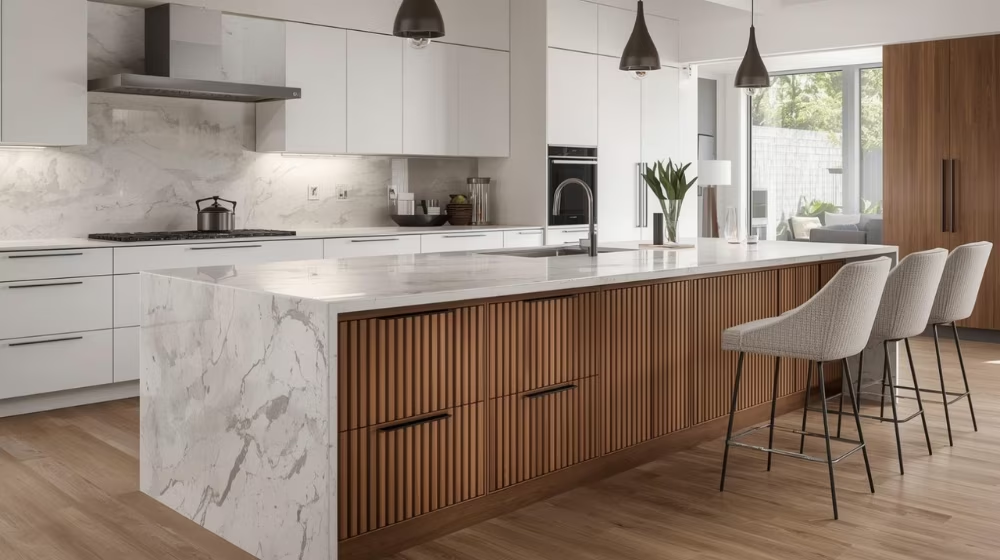
Island Functions to Consider
Cooking
Cooktop with downdraft ventilation
Dining
Bar seating or lowered dining section
Prep/Cleaning
Secondary prep sink with disposal
Storage
Deep drawers, open shelving, wine storage
Power
Pop-up outlets, USB ports, charging
Beverage
Under-counter fridge, wine cooler
🏝️🏝️ The Double Island Trend
For large kitchens (200+ sq ft), two separate islands serve distinct purposes:
- Working Island: Closer to stove/sink with prep sink, storage, and possibly cooktop
- Social Island: Furniture-style piece with seating, wine storage, designed for gathering
- Spacing: Allow 48-60″ between islands for comfortable movement
Kitchen Lighting Design Guide
Good lighting is essential for both function and ambiance. Modern kitchen lighting design uses a layered approach to create flexibility and visual interest.
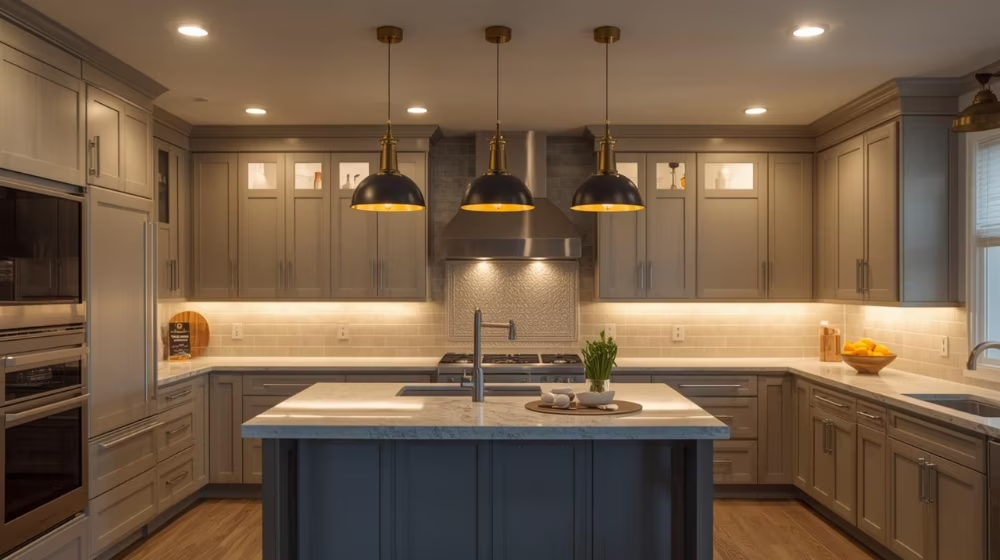
The Three Layers of Kitchen Lighting
Ambient (General) Lighting
Overall illumination from recessed ceiling lights or a central fixture. Provides the base level of light. Always install on dimmers for flexibility.
Task Lighting
Focused light where you work — under-cabinet LED strips, in-cabinet lights, pendant lights over prep areas. Critical for safe, comfortable cooking.
Accent/Decorative Lighting
Statement pendants, toe-kick lights, in-cabinet display lighting. Creates atmosphere, highlights design features, and adds personality.
Popular Pendant Light Styles
Globe Glass
Minimal, all-rounder
Dome/Cone
Focused task light
Woven/Rattan
Organic, boho feel
Linear/Multi
Long islands
Industrial
Metal, exposed bulbs
💡 Pro Lighting Tips
Color Temperature
Use 2700K-3000K (warm white) for a cozy feel. Never use cool white (4000K+) in modern kitchens.
Pendant Height
Hang 30-36″ above island counter. Lower for intimate dining, higher for unobstructed views.
Spacing
Space pendants 24-30″ apart. For odd number pendants over island (3 or 5 creates better balance).
Always Dimmer
Install dimmers on ALL kitchen lights. Bright for cooking, dim for entertaining.
📊 Calculate Your Kitchen Renovation Budget
Before diving into your kitchen project, get a realistic cost estimate and plan your timeline with our free tools:
Smart Appliances & Kitchen Technology
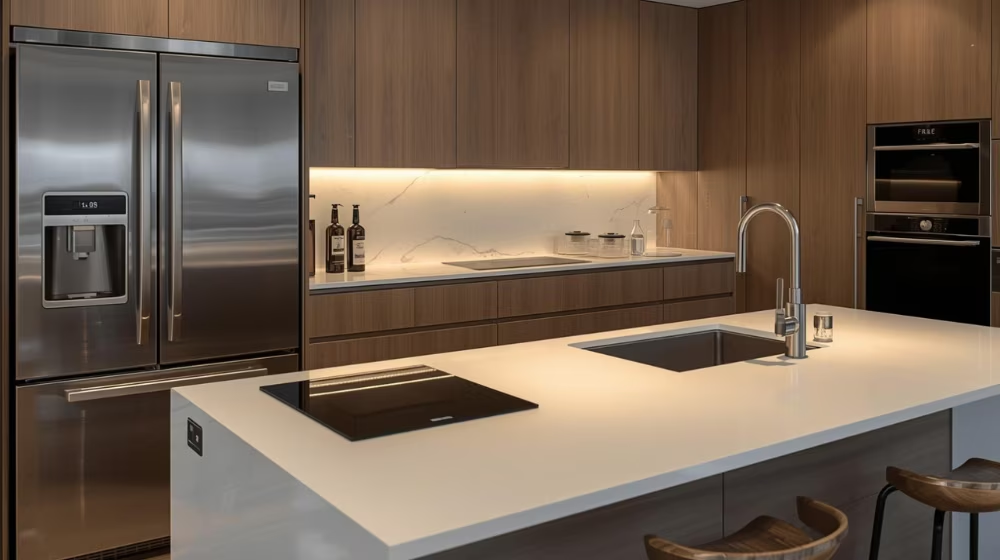
Modern kitchens are increasingly connected. Smart appliances offer convenience, energy efficiency, and seamless integration — but choosing wisely prevents expensive tech that goes unused.
Must-Have Smart Kitchen Features
🚰 Touchless & Smart Faucets
Motion-activated sensors, voice control, and precise water temperature/volume settings. Essential for hygiene when hands are messy.
Top picks: Moen Smart Faucet, Kohler Sensate, Delta VoiceIQ
🧊 Smart Refrigerators
Interior cameras to check contents remotely, touchscreen displays for notes/calendars, and automatic inventory tracking. Panel-ready options maintain sleek aesthetics.
Top picks: Samsung Family Hub, LG InstaView, Sub-Zero integrated
🔥 Induction Cooktops
Faster than gas, cooler surfaces, precise temperature control, and easier cleaning. WiFi-enabled models offer remote monitoring and guided cooking.
Top picks: Wolf, Thermador, Bosch Benchmark,DERA (invisible induction)
☕ Built-In Coffee Systems
Fully integrated espresso machines that blend into cabinetry. WiFi-connected for custom drink profiles and maintenance alerts.
Top picks: Miele Built-in, Gaggenau, Wolf Coffee System
💧 Hot/Cold Water Dispensers
Instant boiling water for tea and cooking, chilled and sparkling water on tap. Reduces kettle clutter and plastic bottle waste.
Top picks: Quooker, Grohe Blue, Zip HydroTap
🔌 Hidden Power Solutions
Keep countertops clean with concealed power options:
Pop-Up Outlets
Retractable power towers in countertops or islands
Under-Cabinet Power
Angled plugs hidden beneath upper cabinets
In-Drawer Charging
USB ports and wireless charging inside drawers
Modern Kitchen Storage Solutions
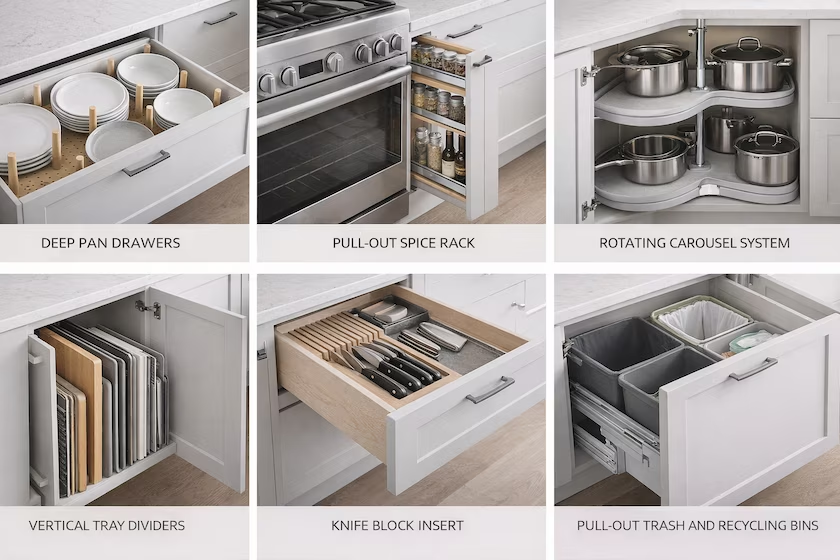
The key to a clean, modern aesthetic is making everything disappear. Smart storage transforms cluttered kitchens into serene, functional spaces.
Zone-Based Storage System
Organize your kitchen into functional zones where items are stored near where they’re used:
🍳 Cooking Zone
Near stove/cooktop
- Pots, pans in deep drawers
- Cooking utensils in dividers
- Spices in pull-out rack
- Oils and vinegars nearby
🔪 Prep Zone
Near main counter space
- Knives in drawer block
- Cutting boards vertical
- Mixing bowls nested
- Measuring tools organized
🚿 Cleaning Zone
Under/near sink
- Pull-out trash/recycling
- Cleaning supplies caddy
- Dish towels on hooks
- Dishwasher pods accessible
🍽️ Serving Zone
Near dining/island
- Plates in easy-access drawers
- Glasses near water/fridge
- Serving dishes accessible
- Napkins and linens
Clever Storage Features
| Storage Feature | Best For | Cost Level |
|---|---|---|
| Deep Pan Drawers | Pots, pans, small appliances | $$ |
| Pull-Out Pantry | Narrow spaces, maximum visibility | $$$ |
| Corner Carousel (Lazy Susan) | Corner cabinets, full access | $$ |
| Magic Corner | Blind corner cabinets, maximum reach | $$$ |
| Appliance Garage | Hidden small appliances, clean counters | $$-$$$ |
| Vertical Tray Dividers | Cutting boards, baking sheets | $ |
| In-Drawer Knife Block | Safe knife storage, counter-free | $-$$ |
🚪 Walk-In Pantry vs. Butler’s Pantry
Walk-In Pantry
A dedicated room for food storage with shelving on all walls. Great for bulk shopping, keeps main kitchen clutter-free. Requires 25+ sq ft.
Butler’s Pantry / Scullery
A working pantry between kitchen and dining with secondary sink, dishwasher, and prep space. Hides mess during entertaining. Trending for 2026.
Design Ideas by Kitchen Size
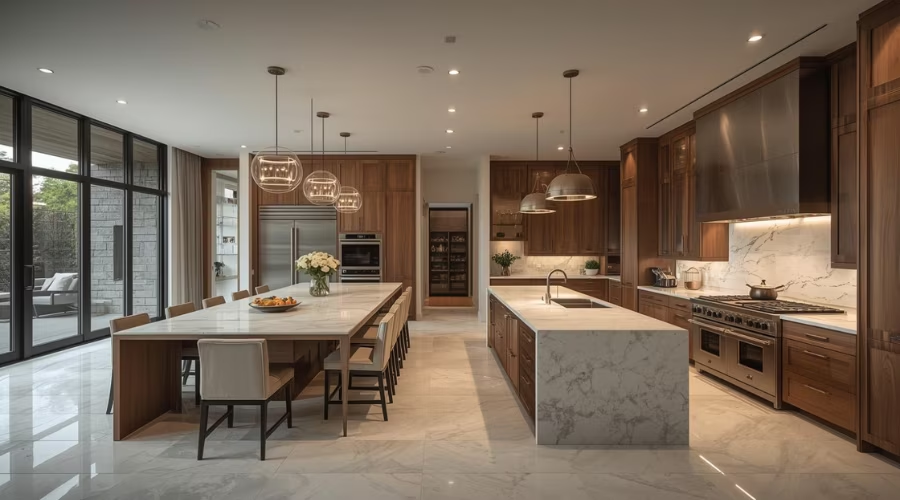
Your kitchen’s square footage determines what’s possible. Here’s how to maximize your specific space with size-appropriate design strategies.
Kitchen Renovation Budget Guide
Understanding where your money goes helps you prioritize spending. Here’s a realistic breakdown of modern kitchen renovation costs.
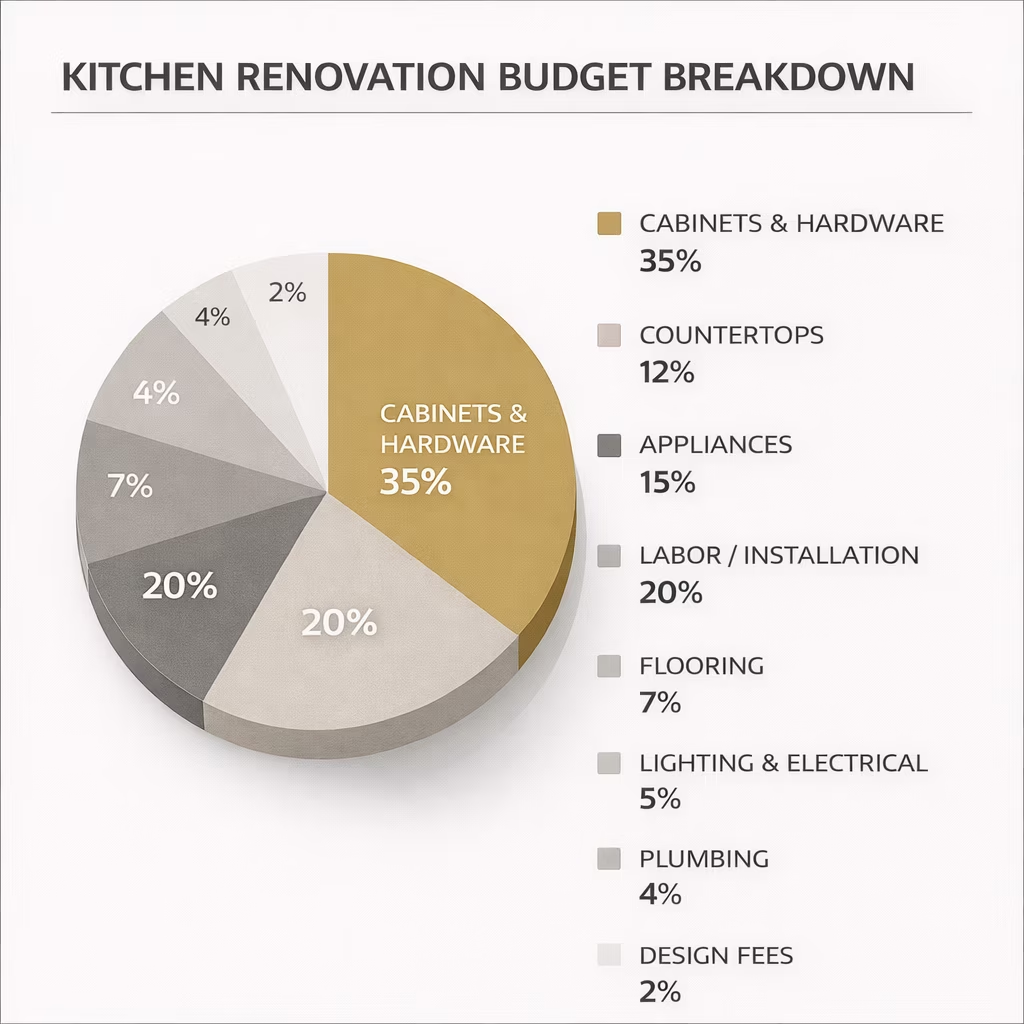
Budget Tiers Overview
| Budget Tier | Cost Range (USD) | What’s Included |
|---|---|---|
| Budget Refresh | $5,000 – $15,000 | Paint cabinets, new hardware, update backsplash, new lighting, cosmetic fixes |
| Mid-Range Remodel | $25,000 – $60,000 | New cabinets (stock/semi-custom), quartz counters, mid-tier appliances, new flooring |
| High-End Renovation | $75,000 – $150,000 | Custom cabinets, premium stone, high-end appliances, layout changes, custom lighting |
| Luxury Build | $150,000+ | Bespoke everything, professional-grade appliances, structural changes, smart home integration |
Where to Splurge vs. Save
💎 Worth the Splurge
- Soft-close drawers & hinges: Used daily, prevents damage
- Quality faucet: High-use item, cheap ones fail
- Good lighting: Transforms the entire space
- Durable countertops: Visible, functional, long-term
- Professional installation: Prevents costly mistakes
💰 Smart Savings
- Semi-custom vs. custom cabinets: Similar look, significant savings
- Quartz vs. marble: Marble-look quartz is maintenance-free
- Stock appliances: Basic dishwashers perform as well as luxury
- Open shelving: Less expensive than upper cabinets
- LVP flooring: Looks like hardwood, fraction of cost
📈 Return on Investment
Kitchen renovations typically return 60-80% of their cost at resale. Mid-range remodels often have the best ROI, as luxury upgrades may exceed neighborhood values. Focus on timeless design choices that appeal to future buyers.
10 Common Modern Kitchen Mistakes to Avoid
Learn from others’ expensive errors. These are the most common design and planning mistakes that lead to regret — and how to avoid them.
Insufficient Counter Space Near Key Appliances
No landing zone next to the refrigerator, stove, or oven makes daily cooking frustrating.
✓ Solution: Ensure at least 15″ of counter on each side of the stove and 18″ on the handle side of the fridge.
Prioritizing Aesthetics Over Function
Choosing beautiful but impractical materials, or an Instagram-worthy layout that doesn’t work for your cooking style.
✓ Solution: List your daily kitchen activities first. Design around how you actually cook, not magazine photos.
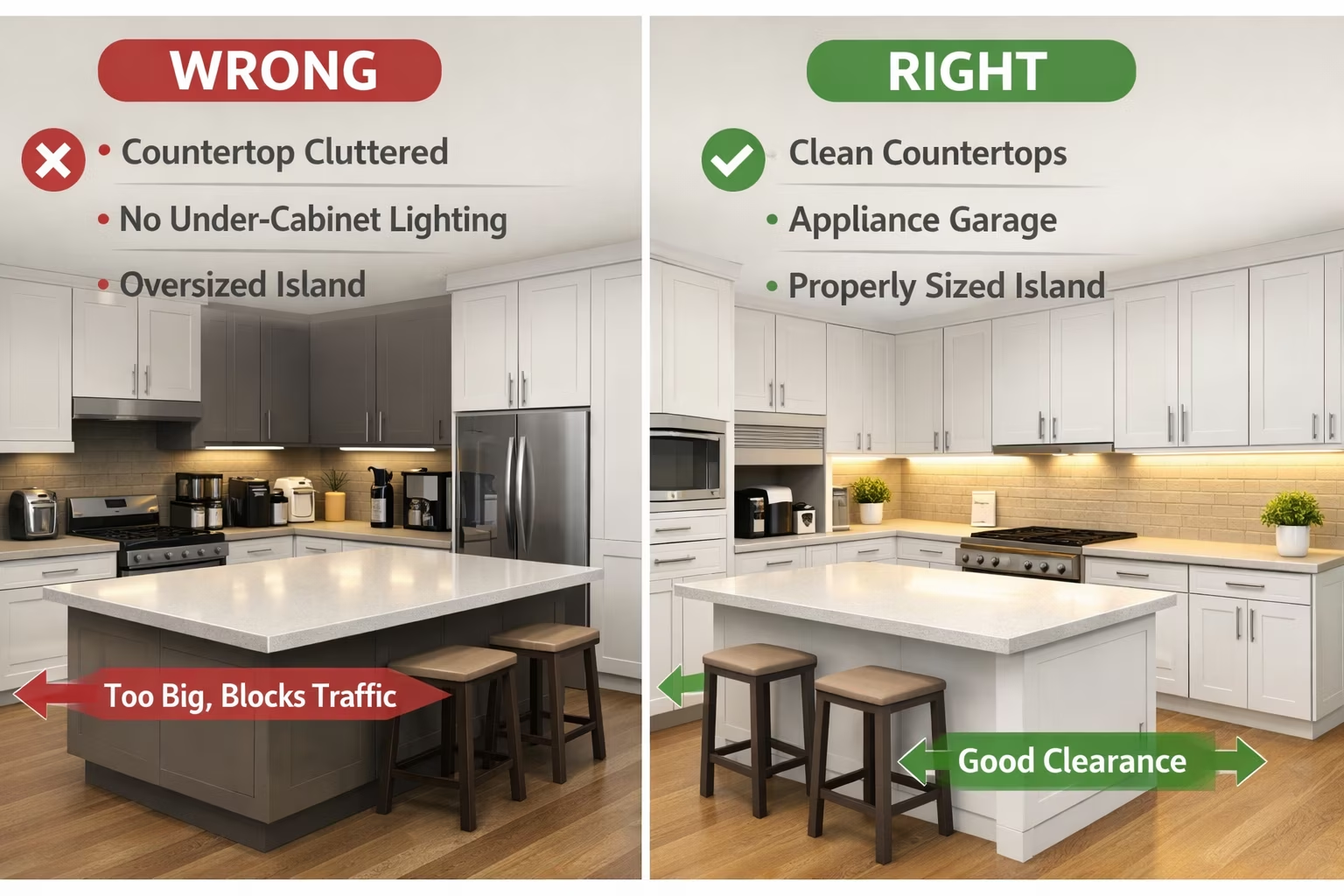
Poor Lighting (Especially Task Lighting)
Relying only on overhead lighting creates shadows on work surfaces. Under-cabinet lighting is often forgotten.
✓ Solution: Layer lighting: ambient + task + accent. Install under-cabinet LEDs and always use dimmers.
Wrong-Sized Island (Too Big or Too Small)
An island that’s too large blocks traffic; too small offers no real functionality or seating.
✓ Solution: Maintain 42-48″ walkways on all sides. If that’s not possible, consider a peninsula or skip the island.
Inadequate Storage Planning
Not measuring what you actually need to store, or ignoring awkward corner cabinets that become dead zones.
✓ Solution: Inventory all your kitchen items. Plan specific homes for everything. Invest in corner solutions.
Forgetting About Ventilation
An underpowered or non-ducted range hood leaves grease and odors lingering throughout the home.
✓ Solution: Size hood CFM to your cooktop BTUs. Always vent externally when possible. For islands, use downdraft or powerful ceiling hoods.
Not Enough Electrical Outlets
With modern kitchens relying on mixers, blenders, coffee makers, and device charging, outlet shortage is common.
✓ Solution: Code requires outlets every 48″. Add pop-up outlets in islands and USB ports where you’ll charge devices.
Overlooking the Work Triangle
Placing the sink, stove, and refrigerator too far apart or too close together reduces efficiency.
✓ Solution: Keep each leg of the work triangle between 4-9 feet. Total perimeter under 26 feet. No traffic paths crossing through.
Choosing Trendy Over Timeless
Ultra-trendy finishes (like certain colors or patterns) may feel dated within 5 years.
✓ Solution: Keep trendy elements to easily changeable items (paint, hardware, backsplash). Invest in timeless materials for cabinets and counters.
Underestimating Budget & Timeline
Kitchen renovations almost always cost more and take longer than expected. Running out of budget mid-project leads to compromises.
✓ Solution: Add 15-20% contingency to your budget. Add 2-4 weeks to timeline. Order appliances and materials early.
Frequently Asked Questions
Answers to the most common questions about designing and building a modern kitchen.
Ready to Design Your Modern Kitchen?
Designing a modern kitchen is a significant undertaking, but armed with the right knowledge, you can create a space that’s both beautiful and perfectly functional for your lifestyle. Remember: the best kitchen design balances timeless aesthetics with practical considerations like your cooking habits, family size, and budget.
Your Next Steps:
- Define your style — use this guide to identify which modern subtype resonates with you
- Take stock of your current kitchen — measure everything and list what works/doesn’t work
- Set a realistic budget — use our budget breakdown and add 15-20% contingency
- Prioritize your must-haves — island seating? walk-in pantry? specific appliances?
- Consult professionals — a kitchen designer can prevent costly mistakes
Have questions about your specific kitchen project? Get in touch with our team for personalized guidance.
Written by the Decorezz Editorial Team
Our team of interior design experts brings decades of combined experience in kitchen design and home renovation. This article is regularly reviewed and updated to reflect the latest industry trends and homeowner preferences.